Ledger Cold Wallet Security Summary: Complete Protection Overview
Ledger Cold Wallet Security Summary consolidates the comprehensive analysis of hardware wallet protection, identifying the strengths, limitations, and appropriate use cases for cold storage.
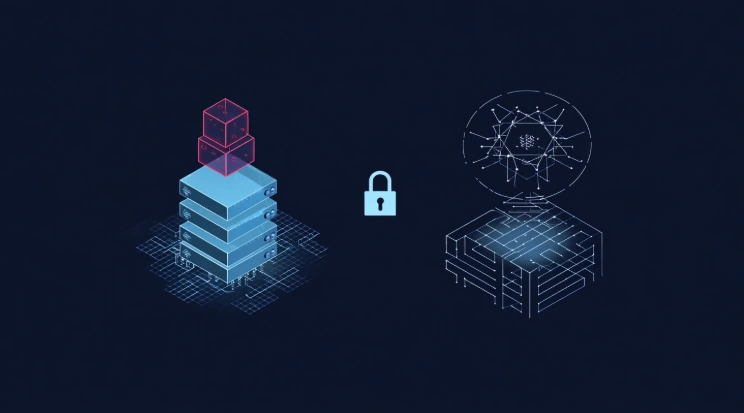
The hardware wallet architecture provides exceptional protection against remote attacks, malware, and unauthorized access while requiring user responsibility for recovery phrase management and transaction verification. Understanding both capabilities and limitations enables informed decisions about cryptocurrency protection strategies.
Ledger Cold Wallet Safety Overview reflects the combination of certified hardware, ongoing security development, and proven performance that establishes Ledger as a leading solution for cryptocurrency self-custody. The security model eliminates entire categories of attacks that have resulted in billions of dollars in losses from hot wallets and exchange custody. Unlike Trezor with different chip architecture or KeepKey with smaller market share, Ledger's CC EAL5+ certified secure elements provide independently verified protection meeting banking and government security standards. Devices connect via USB-C for desktop or Bluetooth for mobile, supporting over 5,500 supported coins and tokens through secure cold storage architecture. This page provides the comprehensive security summary to inform cryptocurrency storage decisions.
Final Security Overview of Ledger Cold Wallet
Ledger cold wallet security summary identifies the core security proposition: hardware isolation of private keys combined with physical transaction confirmation creates protection that software solutions cannot match. The secure element stores keys in a tamper-resistant environment, requires user verification for every signing operation, and maintains protection even when connected devices become compromised.
The security model represents the current best practice for cryptocurrency self-custody, recommended by security researchers and widely adopted by users protecting significant holdings. Cold storage through hardware wallets addresses the fundamental vulnerabilities of hot wallets while maintaining practical usability for managing cryptocurrency portfolios.
Who Should Choose Ledger Cold Wallet
| User Category | Security Need | Recommendation Level |
|---|---|---|
| Long-term investors | Maximum protection for holdings | Highly recommended |
| DeFi participants | Secure signing for protocols | Recommended |
| High-value holders | Protection for significant assets | Essential |
| Cryptocurrency beginners | Security from the start | Recommended |
| Active traders | Backup for trading balances | Recommended |
| Privacy-conscious users | Self-custody control | Highly recommended |
| NFT collectors | Protection for valuable assets | Recommended |
| Institutional users | Compliance and security | Depending on requirements |
Any user with holdings they would be upset to lose benefits from hardware wallet protection. The cost becomes negligible compared to protected asset values.
Protection Capabilities and Limitations
Ledger cold wallet security summary acknowledges both exceptional strengths and important limitations. Honest assessment enables users to understand exactly what protection they receive and what responsibilities remain with them. No security solution provides absolute protection; understanding limitations enables appropriate risk management.
Strengths derive from the hardware architecture that eliminates attack conditions rather than defending against attacks. Limitations derive from user responsibility factors that hardware cannot control. The combination provides strong protection when users implement appropriate practices.
Security Strengths Summary
Ledger cold wallet safety overview protection analysis. Protected attack categories:
- Malware and virus infections on connected devices
- Remote access attempts and network-based attacks
- Keylogger and screen capture malware
- Clipboard hijacking address substitution
- Operating system and application vulnerabilities
- Browser exploits and malicious extensions
- Exchange and third-party platform compromises
- Most physical device theft scenarios (with PIN)
User responsibility categories:
- Recovery phrase protection and secure storage
- Transaction verification before confirmation
- Phishing recognition and avoidance
- Software download from official sources only
- Firmware and software update maintenance
- Backup accessibility and durability
The division clarifies that hardware handles technical security while users handle operational security. Both components are necessary for complete protection.
Implementation Recommendations
Ledger cold wallet security summary recommendations apply broadly to users implementing cold storage for the first time or improving existing practices. Consistent implementation of recommended practices maximizes the protection hardware wallets provide.
Implementation begins with proper device acquisition and setup, continues through daily operational practices, and extends to long-term maintenance and succession planning. Each phase involves specific actions that maintain security throughout the wallet's operational lifetime.
Getting Started with Cold Storage
Ledger cold wallet for secure storage implementation steps. Essential implementation practices:
- Purchase only from official Ledger website or authorized resellers
- Verify package seals and complete genuine check during setup
- Record recovery phrase on durable physical media only
- Store phrase backup securely in multiple locations
- Verify every transaction on hardware screen before confirmation
- Download software only from official sources with verification
- Install firmware updates promptly when available
- Never share phrase with anyone for any reason
Implementation takes minimal time but provides protection worth many multiples of the device investment. Most users complete setup in under 30 minutes.
For wallet comparison, see our Ledger Cold Wallet vs Hot Wallet guide. For security risks, visit Ledger Cold Wallet Security Risks. For trust analysis, see Ledger Cold Wallet Trust.