Ledger Cold Wallet Security Risks: Complete Risk Analysis
Ledger Cold Wallet Security Risks represent threats that exist despite hardware protection, requiring user awareness and appropriate practices for complete security.

The hardware architecture protects against remote attacks, malware, and key extraction, but cannot prevent users from voluntarily compromising their own security through phishing compliance, backup mishandling, or verification failures. Understanding these residual risks enables users to implement countermeasures that complement hardware protection for comprehensive security.
Ledger Cold Wallet Risk Factors span several categories including user error, backup compromise, physical security gaps, and social engineering susceptibility. Similar risks affect users of all hardware wallets including Trezor and KeepKey, as these threats target user behavior rather than hardware security. While hardware wallets eliminate the most dangerous automatic attack vectors, determined attackers target users directly through deception and manipulation. This page analyzes real-world risks and provides guidance for avoiding them.
Understanding Risks of Using a Ledger Cold Wallet
Ledger cold wallet security risks exist in categories the hardware cannot directly address. The secure element protects private keys from extraction and requires physical confirmation for signing, but these protections assume users verify transaction details and protect their recovery phrases. Attacks targeting these assumptions can succeed regardless of hardware quality.
Risk assessment requires distinguishing between hardware vulnerabilities (largely eliminated) and user-side vulnerabilities (requiring ongoing attention). The hardware wallet shifts the security boundary from technical to human, meaning most successful attacks against hardware wallet users target the humans rather than the devices.
Risks Outside Hardware Protection
Ledger cold wallet user risks that hardware protection cannot prevent:
| Risk Category | Description | Hardware Response | User Responsibility |
|---|---|---|---|
| Phrase disclosure | Sharing recovery phrase | Cannot prevent | Never share phrase |
| Verification skip | Confirming without checking | Shows correct data | Must verify details |
| Phishing compliance | Following fake instructions | Cannot detect phishing | Recognize scams |
| Backup compromise | Insecure phrase storage | Not involved | Secure storage |
| Lost device | Physical loss without backup | Cannot help | Maintain backups |
| Forgotten PIN | Access locked out | Wipes after 3 attempts | Remember or recover |
Each risk category requires specific user awareness and practices for mitigation. The hardware provides the tools for security; users must use them correctly.
How to Minimize Cold Wallet Risks
Reduce cold wallet risks through systematic practices:
- Never share recovery phrase with anyone for any reason
- Verify all transaction details on hardware screen before confirming
- Store phrase backups in secure physical locations only
- Use metal backup accessories for phrase durability
- Maintain geographic distribution of backup copies
- Update firmware promptly when updates release
- Purchase only from official sources to avoid tampering
- Recognize phishing attempts targeting phrase disclosure
Risk minimization combines hardware protection with appropriate user behavior. Neither component alone provides complete security.
User Error Categories
Ledger cold wallet security risks from user mistakes represent the primary vulnerability category for hardware wallet users. Technical attacks against secure elements remain difficult; social engineering and user errors provide easier paths for attackers. Understanding common error categories helps users avoid repeating documented mistakes.
User errors generally involve recovery phrase compromise, transaction verification failures, or social engineering susceptibility. Each category has specific prevention measures that eliminate or reduce the associated risks.
Recovery Phrase Mistakes
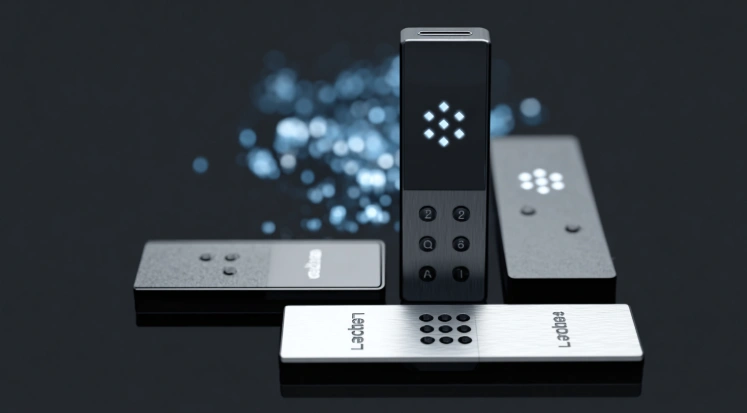
Ledger cold wallet risk factors from backup errors. Common phrase-related mistakes:
- Photographing recovery phrase with smartphone camera
- Storing phrase in cloud services like iCloud or Google Drive
- Typing phrase into computer for digital backup
- Emailing phrase to self for "safekeeping"
- Storing phrase in password manager applications
- Sharing phrase with "support" representatives
- Entering phrase on fake verification websites
- Losing paper backup without secondary copies
Each mistake exposes the phrase to potential capture through device compromise, cloud breaches, or direct theft. Physical-only storage with redundancy provides optimal phrase protection.
Device and Backup Risks
Ledger cold wallet security risks extend to physical device and backup management where improper handling creates opportunities for loss or theft. The recovery phrase provides complete wallet access, making its protection equally important as protecting the hardware device itself.
Physical risks fall into two categories: loss through inadequate backup and theft through exposure. Both categories require specific countermeasures that balance accessibility against security.
Physical Security Considerations

Ledger cold wallet risk factors from physical vulnerabilities:
| Risk Type | Scenario | Prevention |
|---|---|---|
| Device theft | Stolen device with weak PIN | Strong PIN, phrase backup |
| Device loss | Misplaced without backup access | Multiple backup locations |
| Device damage | Fire, water, physical destruction | Durable metal backups |
| Backup theft | Phrase found by unauthorized party | Secure hidden storage |
| Backup loss | Paper degradation or destruction | Metal backup, redundancy |
| Coercion | Forced to reveal phrase or sign | Consider passphrase feature |
Physical security requires planning for both loss and theft scenarios. Metal backup accessories provide durability while geographic distribution protects against localized disasters.
For wallet comparison, see our Ledger Cold Wallet vs Hot Wallet guide. For trust analysis, visit Ledger Cold Wallet Trust. For security summary, see Ledger Cold Wallet Security Summary.